Between Tides at Miami Beach - Public Art Fund
বাংলা (Bengali) 简体中文 (Chinese Simplified) 繁體中文 (Chinese Traditional) Nederlands (Dutch) English Français (French) Deutsch (German) Italiano (Italian) 日本語 (Japanese) 한국어 (Korean) Português (Portuguese - Brazil) Español (Spanish) Tiếng Việt (Vietnamese)
I am looking for…
Suggested searches:
“Ai Weiwei”
“Talks”
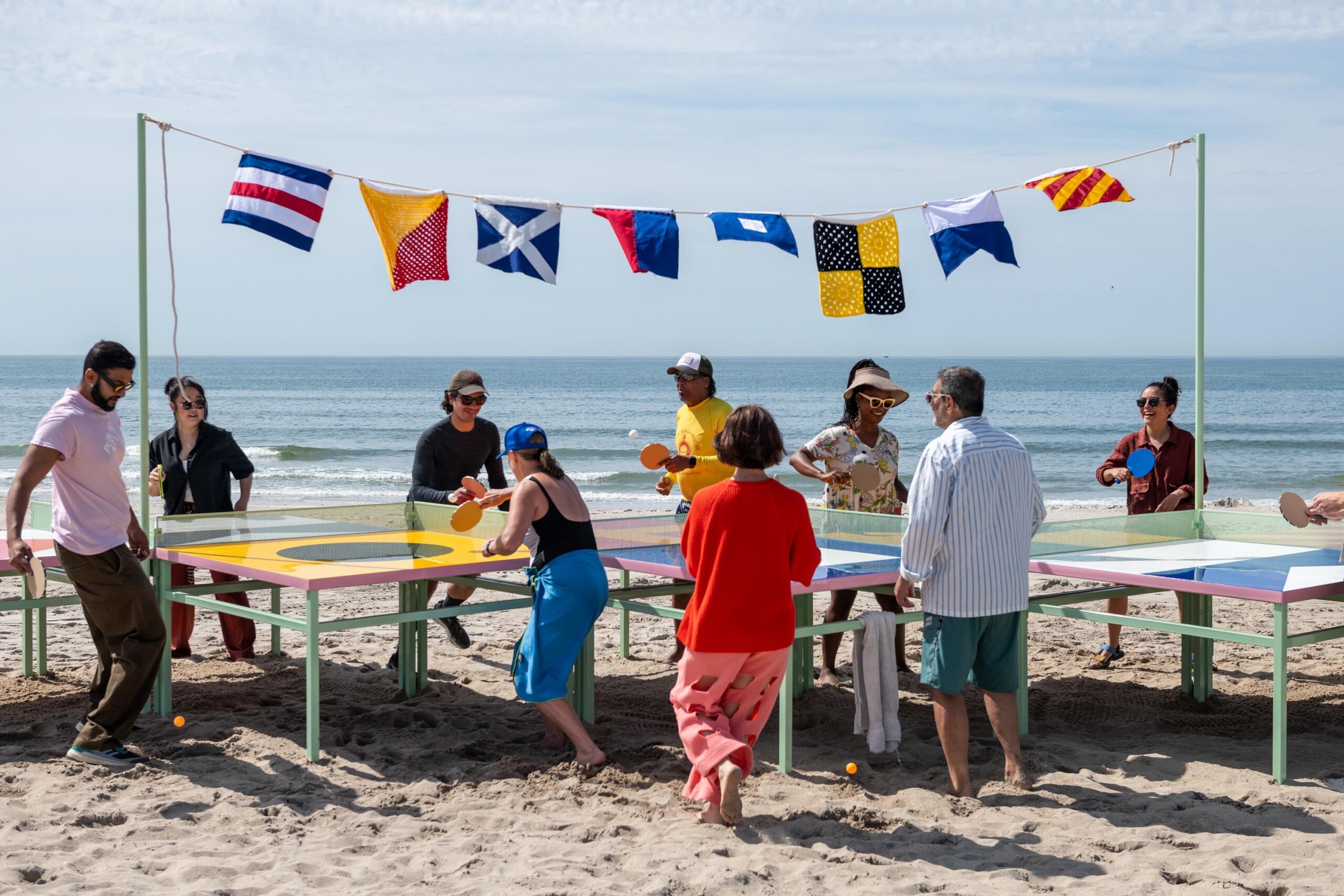
Schenck PAF Between Tides 2026_06_25 DSC_5325
Collins Park
Miami Beach, Florida
Opens November 29

About the Exhibition

Press Release

Between Tides brings together six artists—Moko Fukuyama, Ilana Harris-Babou, Las Hermanas Iglesias, Carlos H. Matos, Amalia Pica, and the collective SUPERFLEX—to rethink ping-pong tables as playable sculptures. Initially commissioned for Rockaway Beach in Queens, New York, the works are presented in a new context at Collins Park. Moving from the sand to an urban park in a coastal setting, the exhibition invites visitors to approach the game in unexpected ways, transforming a familiar activity into a space for experimentation and new connections. Drawing from sculpture, myth, music, maritime communication, ancestral games, and interspecies life, the artists expand the game’s symbolic and social dimensions.

Centered on public engagement, Between Tides builds on the layered history of table tennis and offers fresh perspectives on play. Originally a parlor game for the elite in Victorian England, ping-pong later became a global pastime, a tool for diplomacy between the United States and China, and eventually an Olympic sport. The game’s simplicity allows it to transcend class, race, age, and gender, bringing people together across differences. Between Tides continues a tradition of artists who, since the 1970s, have embraced ping-pong as a platform for creative exchange, rule-breaking, and challenging expectations. Fostering shared encounters, this exhibition highlights how artists can enrich daily life in imaginative ways.

Between Tides is curated by Public Art Fund Associate Curator of Public Practice Gabriela López Dena. The exhibition is reimagined in Collins Park in association with The Bass Museum, with the support of Kenneth C. Griffin and Griffin Catalyst and KHR McNeely Family Foundation.

Between Tides Kiosk:
Ping-pong paddles and balls available to borrow
Sunday, November 29 – Sunday December 6, 10-5pm
Bring your own to play anytime!

About the Exhibition

Between Tides brings together six artists—Moko Fukuyama, Ilana Harris-Babou, Las Hermanas Iglesias, Carlos H. Matos, Amalia Pica, and the collective SUPERFLEX—to rethink ping-pong tables as playable sculptures. Initially commissioned for Rockaway Beach in Queens, New York, the works are presented in a new context at Collins Park. Moving from the sand to an urban park in a coastal setting, the exhibition invites visitors to approach the game in unexpected ways, transforming a familiar activity into a space for experimentation and new connections. Drawing from sculpture, myth, music, maritime communication, ancestral games, and interspecies life, the artists expand the game’s symbolic and social dimensions.

Centered on public engagement, Between Tides builds on the layered history of table tennis and offers fresh perspectives on play. Originally a parlor game for the elite in Victorian England, ping-pong later became a global pastime, a tool for diplomacy between the United States and China, and eventually an Olympic sport. The game’s simplicity allows it to transcend class, race, age, and gender, bringing people together across differences. Between Tides continues a tradition of artists who, since the 1970s, have embraced ping-pong as a platform for creative exchange, rule-breaking, and challenging expectations. Fostering shared encounters, this exhibition highlights how artists can enrich daily life in imaginative ways.

Between Tides is curated by Public Art Fund Associate Curator of Public Practice Gabriela López Dena. The exhibition is reimagined in Collins Park in association with The Bass Museum, with the support of Kenneth C. Griffin and Griffin Catalyst and KHR McNeely Family Foundation.

Between Tides Kiosk:
Ping-pong paddles and balls available to borrow
Sunday, November 29 – Sunday December 6, 10-5pm
Bring your own to play anytime!


About the Artworks

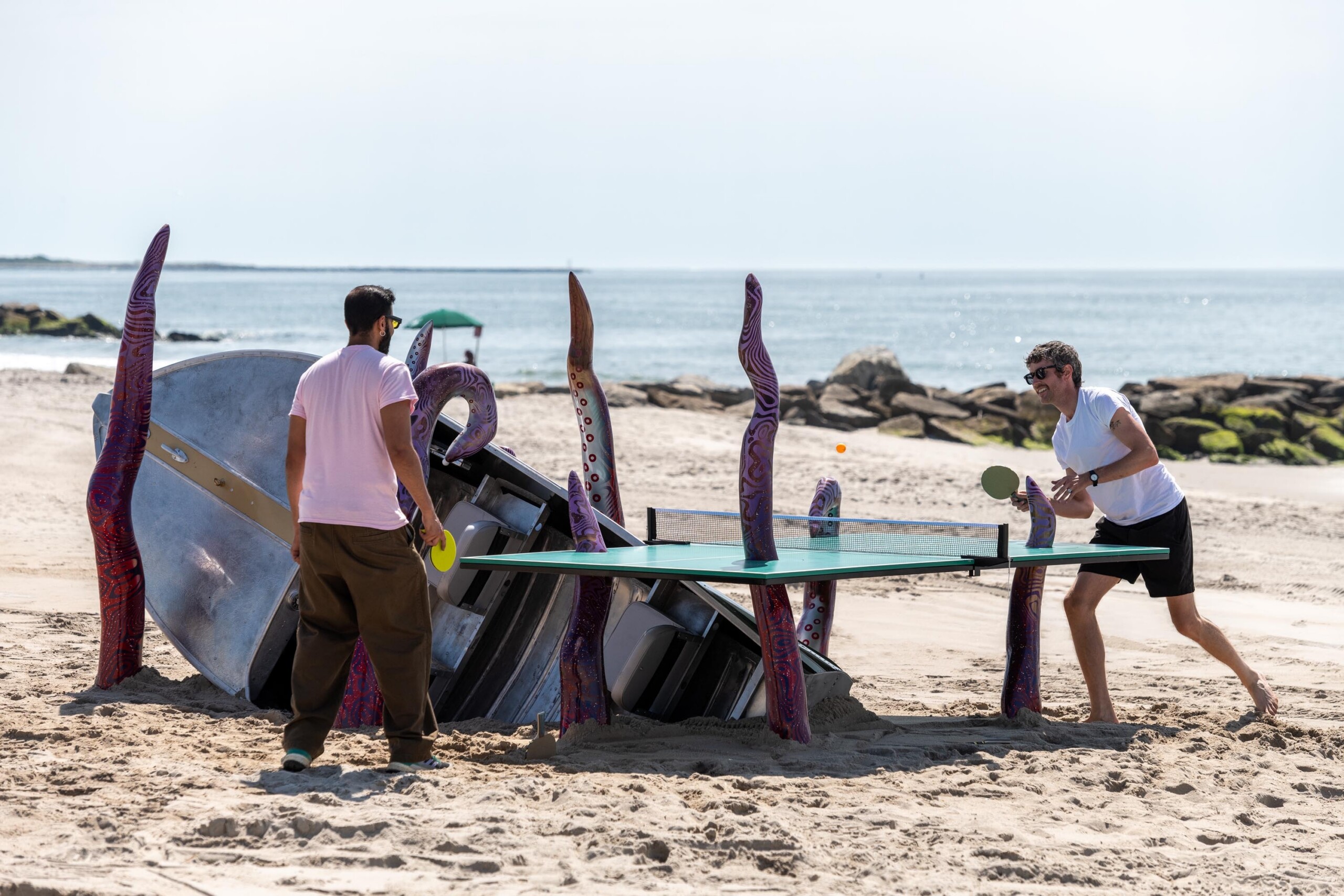
Moko Fukuyama, "Old School," 2026

Moko Fukuyama  (b. 1981, Chiba, Japan)
Old School, 2026
Aluminum boat, reclaimed wood, plywood, automotive paint

A salvaged boat from the Rockaways and a ping-pong table top are gripped by a giant sea monster inspired by the Scandinavian Kraken and the Japanese Akkorokamui. Old School suggests the impermanence of human-made objects and the power of myths to shape our understanding of the vast, uncontrollable forces of nature.

Las Hermanas Iglesias, "DiMeLo," 2026

Las Hermanas Iglesias (founded 2005; Lisa Iglesias b. 1979, Queens, NY; Janelle Iglesias b. 1980, Queens, NY)
DiMeLo, 2026
Stainless steel, ready-made musical instruments

Each game played on this musical sculpture creates a live composition. It features instruments associated with many different cultures, including handpan, glockenspiel, tom drums, and cymbals. Play becomes a celebration of migration and the ever-evolving sonic landscapes shaped by cultural exchange.

Ilana Harris-Babou, "for those of us who live at the shoreline," 2026

Ilana Harris-Babou (b. 1991, Brooklyn, NY)
for those of us who live at the shoreline, 2026
Terrazzo, concrete, handmade ceramic tiles, powder-coated steel

Four sculptures in terrazzo and concrete, including a seating area and a ping-pong table with ceramic beach items, open up space for unstructured discovery. Harris-Babou imagines the shoreline as a space of possibility, where skill gives way to curiosity. The installation encourages visitors to shift their focus from competitive gameplay to experimentation, imagining new forms of recreation, rest, and interaction.

Carlos H. Matos, "Tlachco," 2026

Carlos H. Matos (b. 1983, CDMX, Mexico)
Tlachco, 2026
Aluminum, volcanic stone, powder-coated steel

Matos merges ping-pong with Ulama, an ancient Mesoamerican ballgame rich in cosmic symbolism that is still played today. Aztecs and Maya often regarded the ballcourt, or tlachco, as a portal to the underworld. Referencing its tilted walls and challenging hoops, the work connects ancestral traditions with contemporary play, inviting visitors to explore layers of history.

Amalia Pica, "Fair Play," 2026

Amalia Pica (b. 1978, Neuquén, Argentina)
Fair Play, 2026
Fiberglass, powder-coated steel, cotton canvas

Eight staggered tabletops spell out “FAIR PLAY” using the International Code of Signals, a colorful system for maritime communication. Suspended fabric flags reading “COME PLAY” were created in collaboration with the organization RISE (Rockaway Initiative for Sustainability and Equity). Pica invites friends and strangers to join simultaneous matches, emphasizing the collective nature of play.

SUPERFLEX, "Fish Ping-Pong," 2026

SUPERFLEX (founded 1993. Bjørnstjerne Reuter Christiansen b. 1969, Copenhagen, Denmark; Jakob Fenger b. 1968, Roskilde, Denmark; Rasmus Rosengren Nielsen, b. 1969, Hjørring, Denmark)
Fish Ping-Pong, 2026
Cantera stone

This pink stone structure doubles as a ping-pong table and a potential marine habitat. If submerged, its coral-promoting color and multiple openings could host plankton and algae, encouraging biodiversity. With a design inspired by modernist housing blocks, the sculpture points toward harmonious coexistence between humans, urban life, and the ocean.


About the Artists

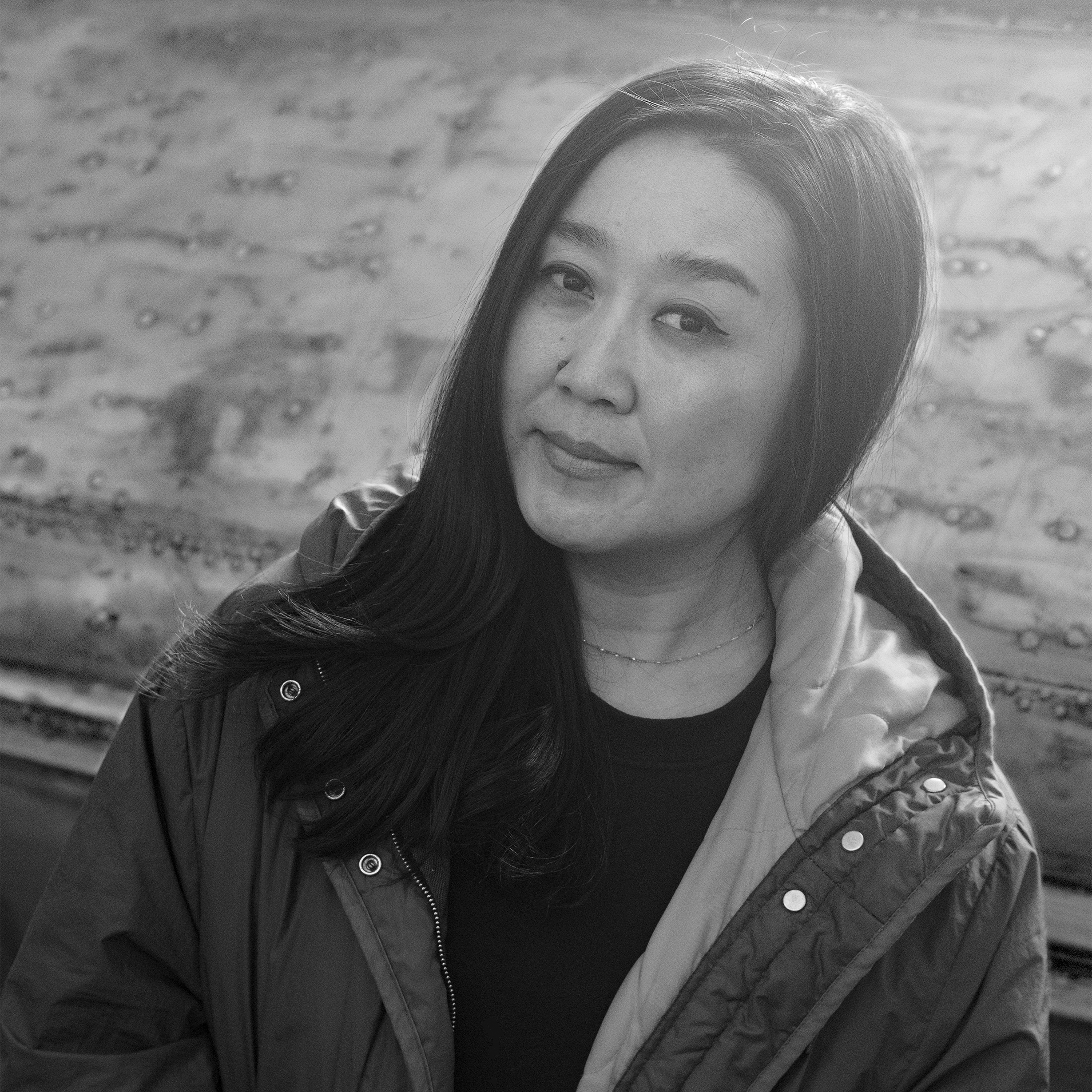
Moko Fukuyama    View Profile

Moko Fukuyama (b. 1981) is a multidisciplinary artist whose practice spans large-scale sculptural installations, experimental film, and collaborative projects. Originally from Japan and now based in Brooklyn, Fukuyama has lived in various cities across the United States, where she closely observed how urban societies interact with nature. Her work addresses the environmental and cultural challenges shaping both American society and her personal experiences. Drawing from her interest in recreational sports fishing, Fukuyama incorporates the concept of “lures” into her sculptures, using them as metaphors for human manipulation of the natural world. Her work, often made from salvaged wood and painted with vibrant automotive finishes, explores the dynamics of attraction among diverse forms of life. Fukuyama’s sculptures reflect themes of overconsumption, consumerism, sustainability, and urbanization, as well as the tension between human desires and environmental impact.
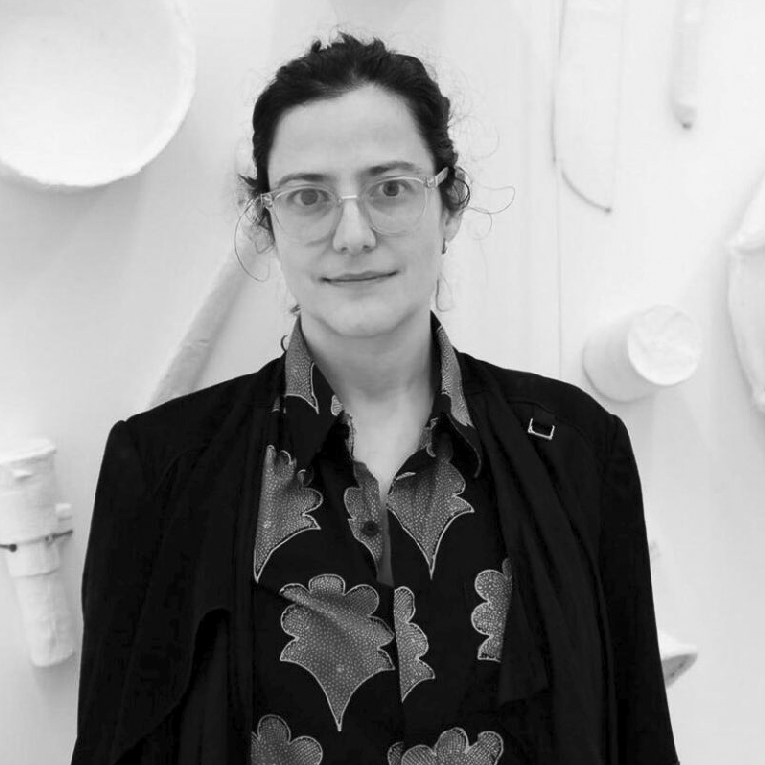
Ilana Harris-Babou    View Profile

Ilana Harris-Babou (b. 1991) was born and raised in Brooklyn, New York. Through sculpture, installation, and video, she uses humor to question the aspirational language of consumer culture. By taking on roles such as celebrity chef, interior designer, or beauty vlogger in her artworks, she critiques the American Dream and challenges the notion that hard work leads to upward mobility and economic freedom. Harris-Babou investigates the messy moments when individuals cannot fully conform to social structures and explores how to subvert the status quo in generative ways. Recently, she has focused on community-based projects and public commissions examining love, transcendence, imperfection, and self-determination within the aesthetics of order. Her work highlights the persistence of human connection despite the influence of social systems she sees as oppressive.

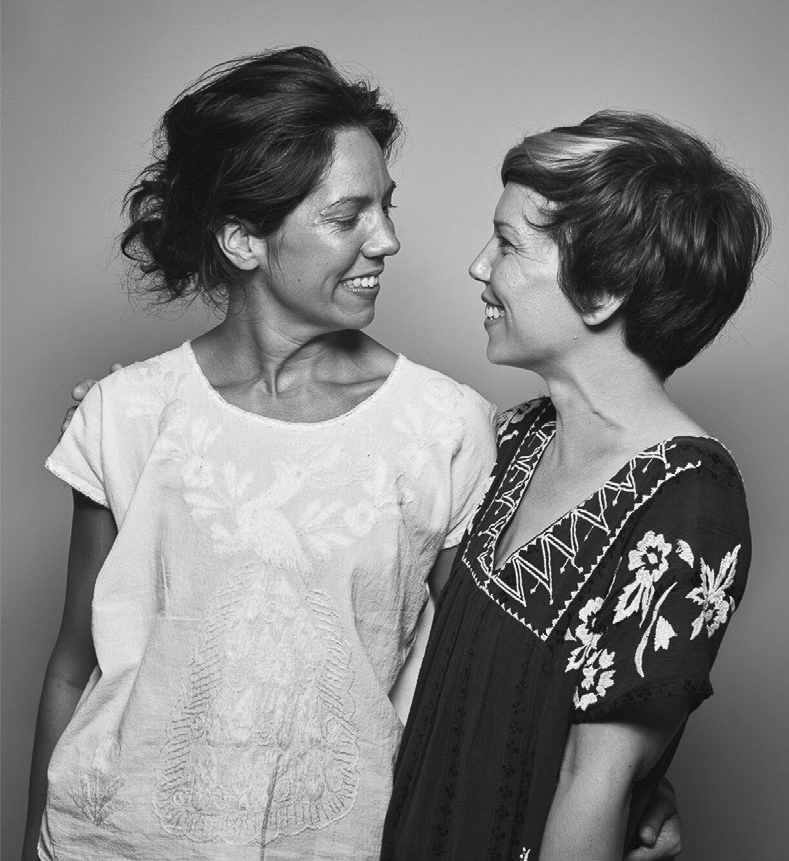
Las Hermanas Iglesias    View Profile

Las Hermanas Iglesias (founded 2005) is an artist duo of sisters Lisa and Janelle Iglesias, who currently split their time between Queens, New York; Western Massachusetts; and Southern California. Their work draws from feminist histories and reflects their identity as children of Norwegian and Dominican immigrants born and raised in Queens, New York. Their collaborative practice blurs genres, engages absurdity, and underscores the power of collective making. Incorporating materials as diverse as music, beeswax, piñatas, and bubblegum, they produce playful work that takes the form of complex installations, sculptural textiles, and participatory performances. Their practice has evolved to include ongoing collaborations with their mother, Bodhild, as well as projects with their children, adding an intergenerational dimension to their work. Through this culturally hybrid practice, Las Hermanas Iglesias explores connections between family bonds and broader societal structures, linking personal experiences to larger social systems. 

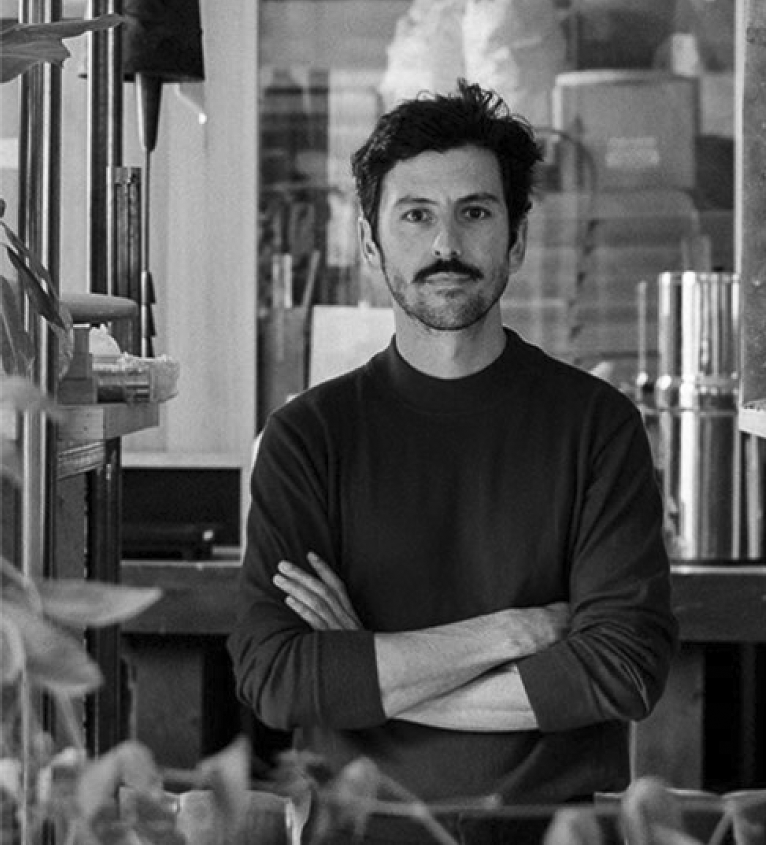
Carlos H. Matos    View Profile

Carlos H. Matos (b. 1983) blends architecture and sculpture to probe the boundaries of function, scale, and materiality within the built environment. Based in Mexico City, his practice examines the intersection of abstract forms and architectural elements, stripping them of their traditional contexts to challenge their purpose and meaning. Drawing inspiration from Mesoamerican cultures, Mexico’s pre-Hispanic heritage, and mid-20th-century modernist architecture, Matos creates works that evoke quasi-fictional worlds where ruins, rituals, and routines unfold. He utilizes materials such as volcanic stone, concrete, and aluminum, collaborating with artisans skilled in traditional construction methods like hand-chiseling and sand casting. Far from offering a nostalgic look at the past, these techniques allow him to investigate new aspects of form and space.

Amalia Pica    View Profile

Amalia Pica (b. 1978) is an Argentinian artist exploring the social dynamics of communication, especially the desire to be understood and what brings people together. Using simple materials and found objects like chalk, plexiglass, and flags, she inquires into human modes of interaction. Pica considers shared visual codes associated with verbal and nonverbal language systems, often incorporating playful signifiers of collective expression, such as bunting and confetti. By doing so, she delves into themes of cultural intimacy and the political potential of joy, proposing celebration and happiness as forms of resistance and political action. Her work possesses a lightness of touch and a collective aspect that invites viewers to share experiences. 

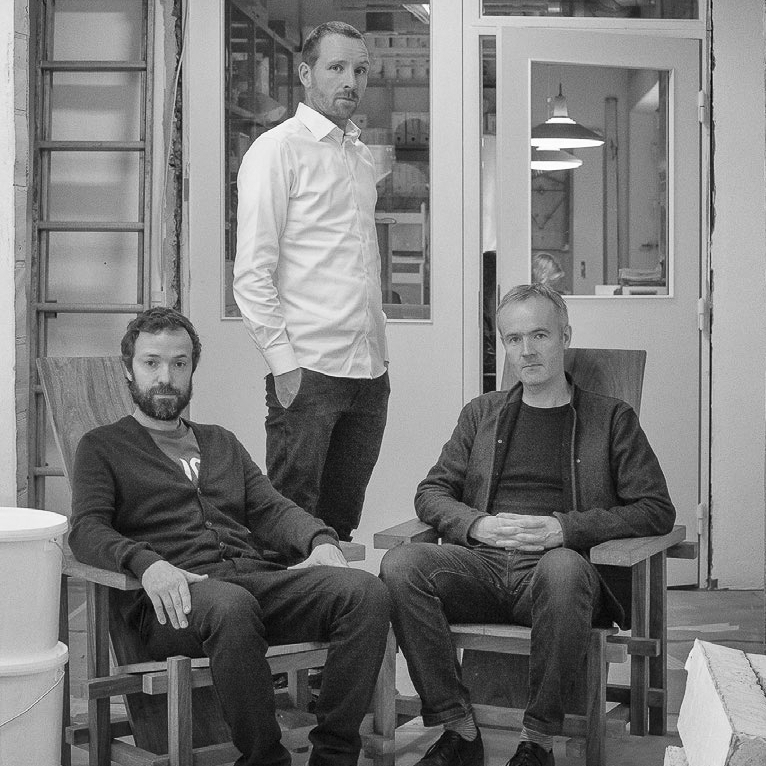
SUPERFLEX    View Profile

SUPERFLEX (founded 1993) is a Copenhagen-based collective by Bjørnstjerne Christiansen, Jakob Fenger, and Rasmus Rosengren Nielsen. With a focus on alternative models of social and economic organization, their projects have taken diverse forms: energy systems, beverages, sculptures, replicas, hypnosis sessions, infrastructure, paintings, plant nurseries, contracts, and public spaces. SUPERFLEX was conceived as an expanded artistic practice, consistently involving a wide range of collaborators – from gardeners and engineers to audience members – and exploring new ways of engaging local communities, specialists, and children. Recently, SUPERFLEX has taken the idea of collaboration even further by incorporating the participation of plants and animals to develop a new kind of urbanism centering interspecies living. For SUPERFLEX, the best idea might come from a fish.


Location

Collins Park
Miami Beach, Florida
Collins Park
Miami Beach, Florida

Between Tides is presented by Public Art Fund in association with The Bass at Collins Park Miami Beach, November 29 – December 6, 2026.

Kenneth C. Griffin and Griffin Catalyst are the presenting sponsors of Between Tides.

Bloomberg Philanthropies is the presenting sponsor of the Public Art Fund 2026 Exhibition Season.

Leadership support for Between Tides is provided by the KHR McNeely Family Foundation | Kevin, Rosemary, and Hannah Rose McNeely, the Abrams Foundation, Elizabeth Fearon Pepperman & Richard C. Pepperman II, and Jennifer Harris, with champion support from the Elizabeth Firestone Graham Foundation, Elise & Andrew Brownstein, Andrea Krantz & Harvey M. Sawikin, and Allison & Paul Russo.

KCG_GriffinCatalyst_Lockup_Stacked_BK
bloomberg-logo_Web
Abrams Web Logo Template
Nyc Dcla Web
NYSCA Black

Related Exhibitions