Time Landscape - Public Art Fund
বাংলা (Bengali) 简体中文 (Chinese Simplified) 繁體中文 (Chinese Traditional) Nederlands (Dutch) English Français (French) Deutsch (German) Italiano (Italian) 日本語 (Japanese) 한국어 (Korean) Português (Portuguese - Brazil) Español (Spanish) Tiếng Việt (Vietnamese)
I am looking for…
Suggested searches:
Ai Weiwei
Talks
Time Landscape by Alan Sonfist (1965-Present) restores a pre-colonial forest in the heart of New York City

Alan Sonfist Time Landscape

LaGuardia Place
On Permanent View — Installed 1965-present

About the Exhibition

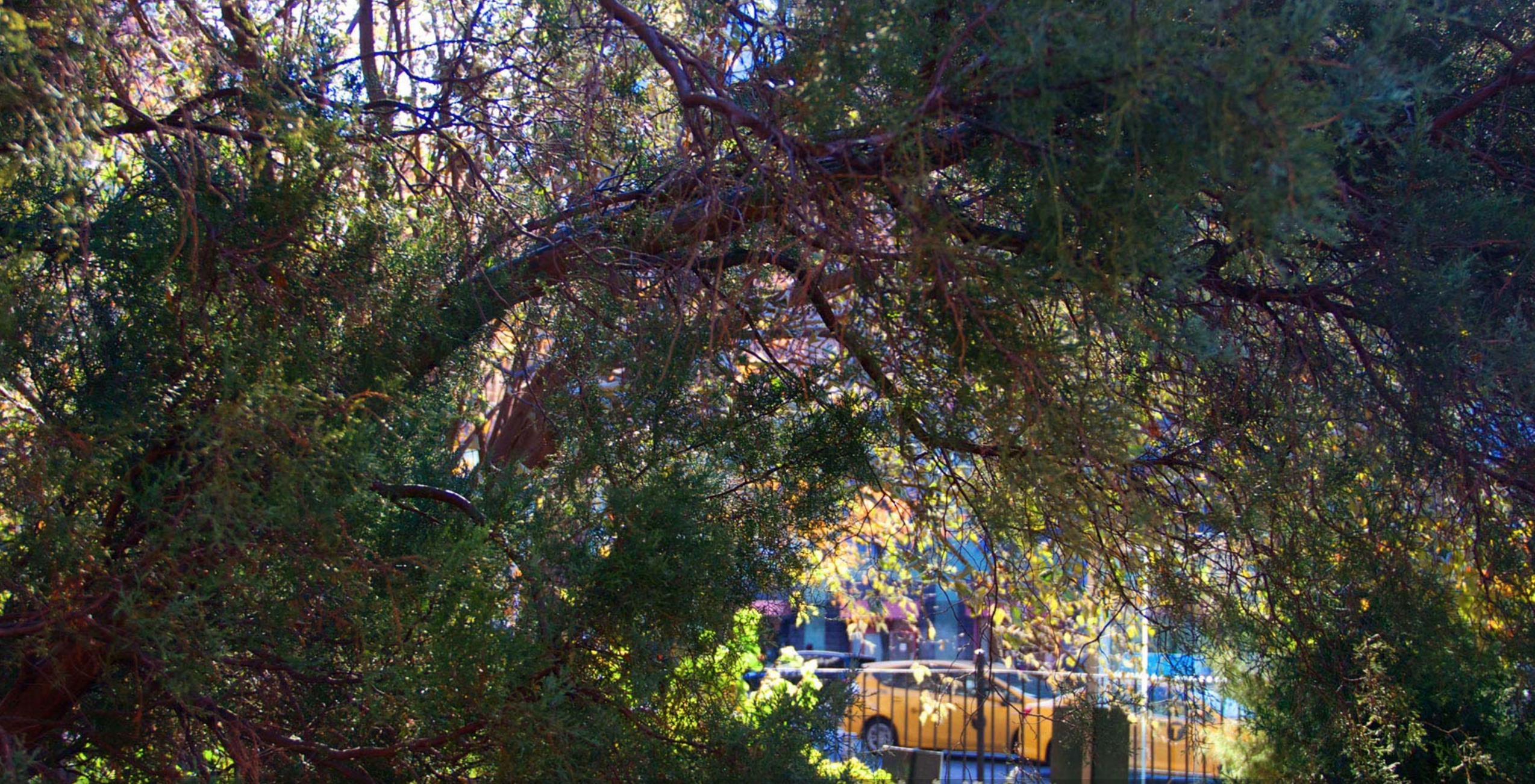
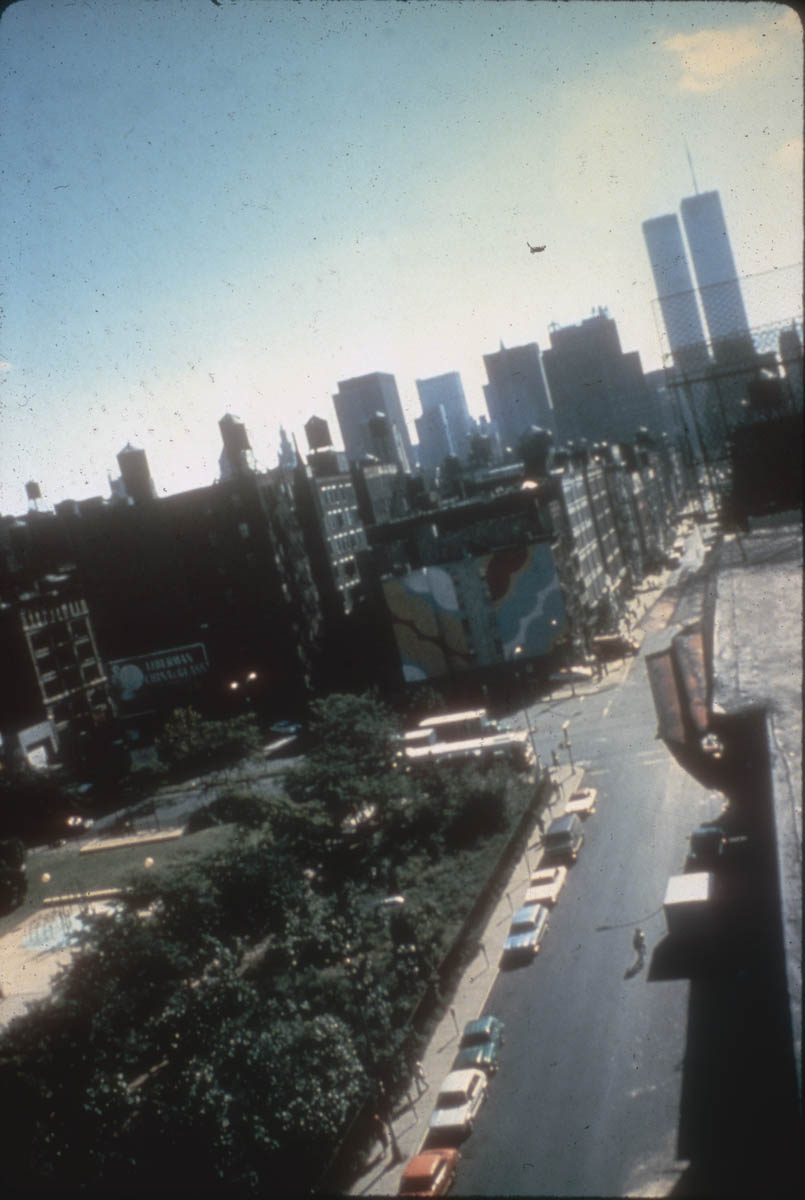
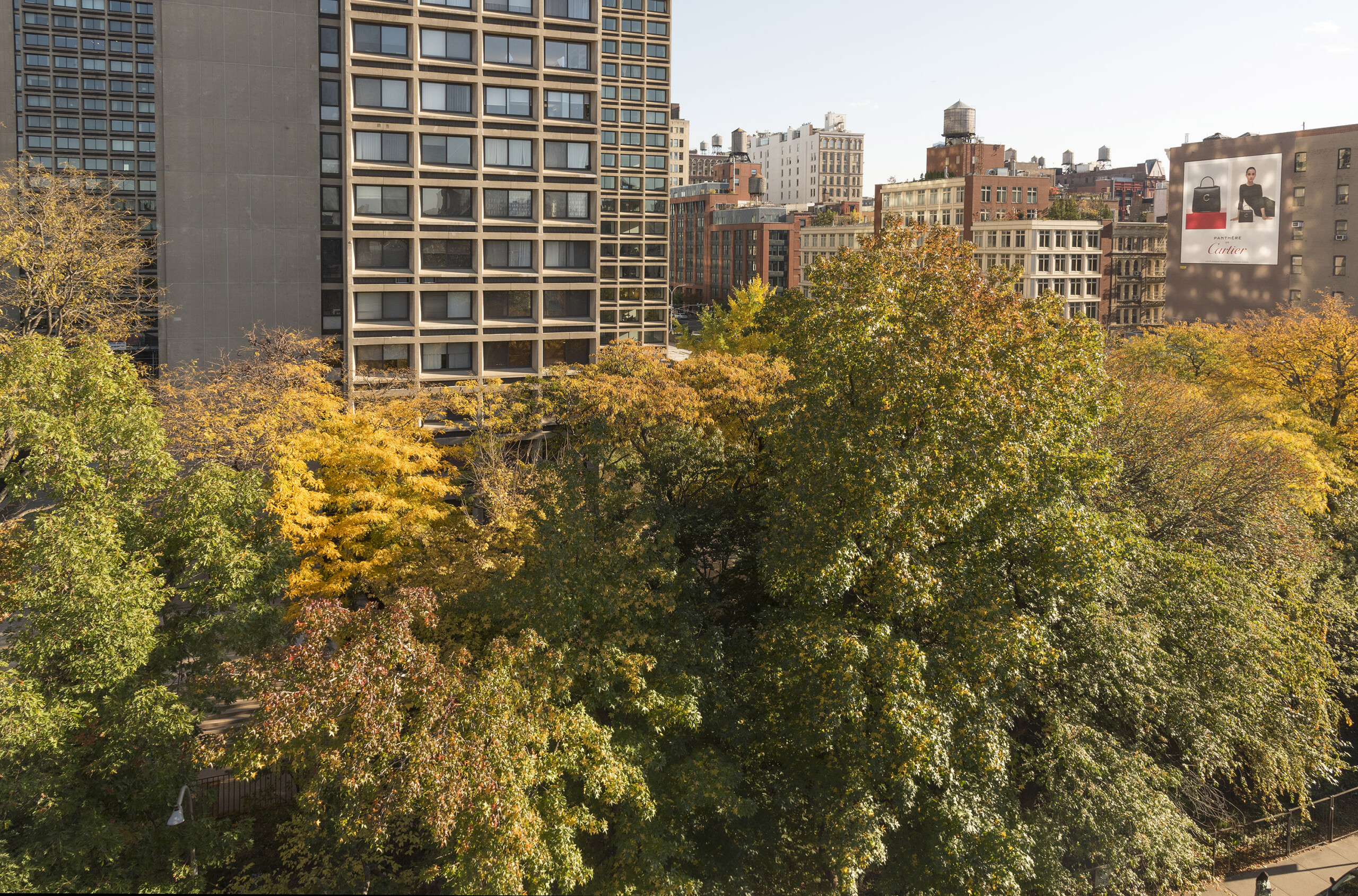
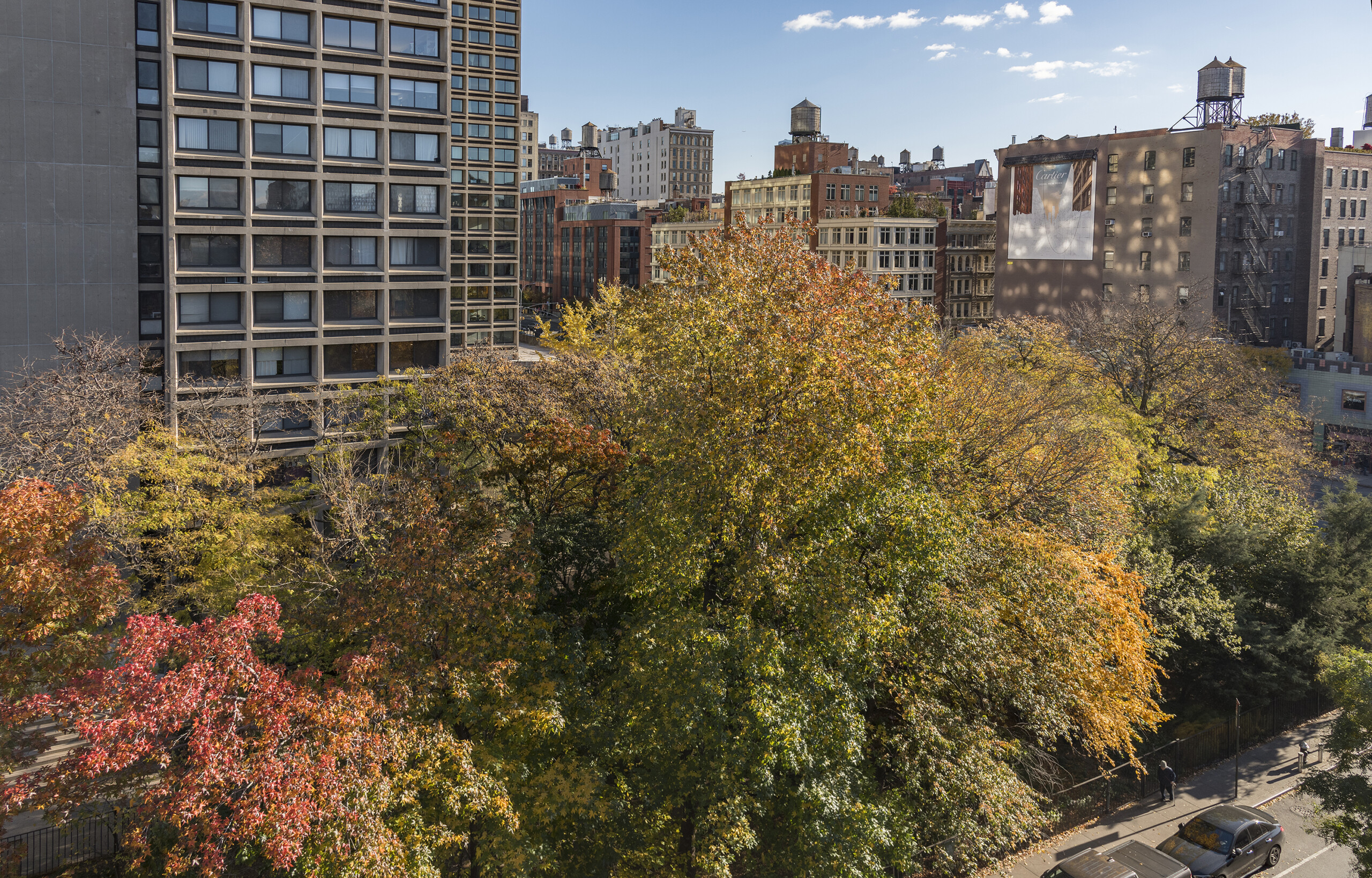
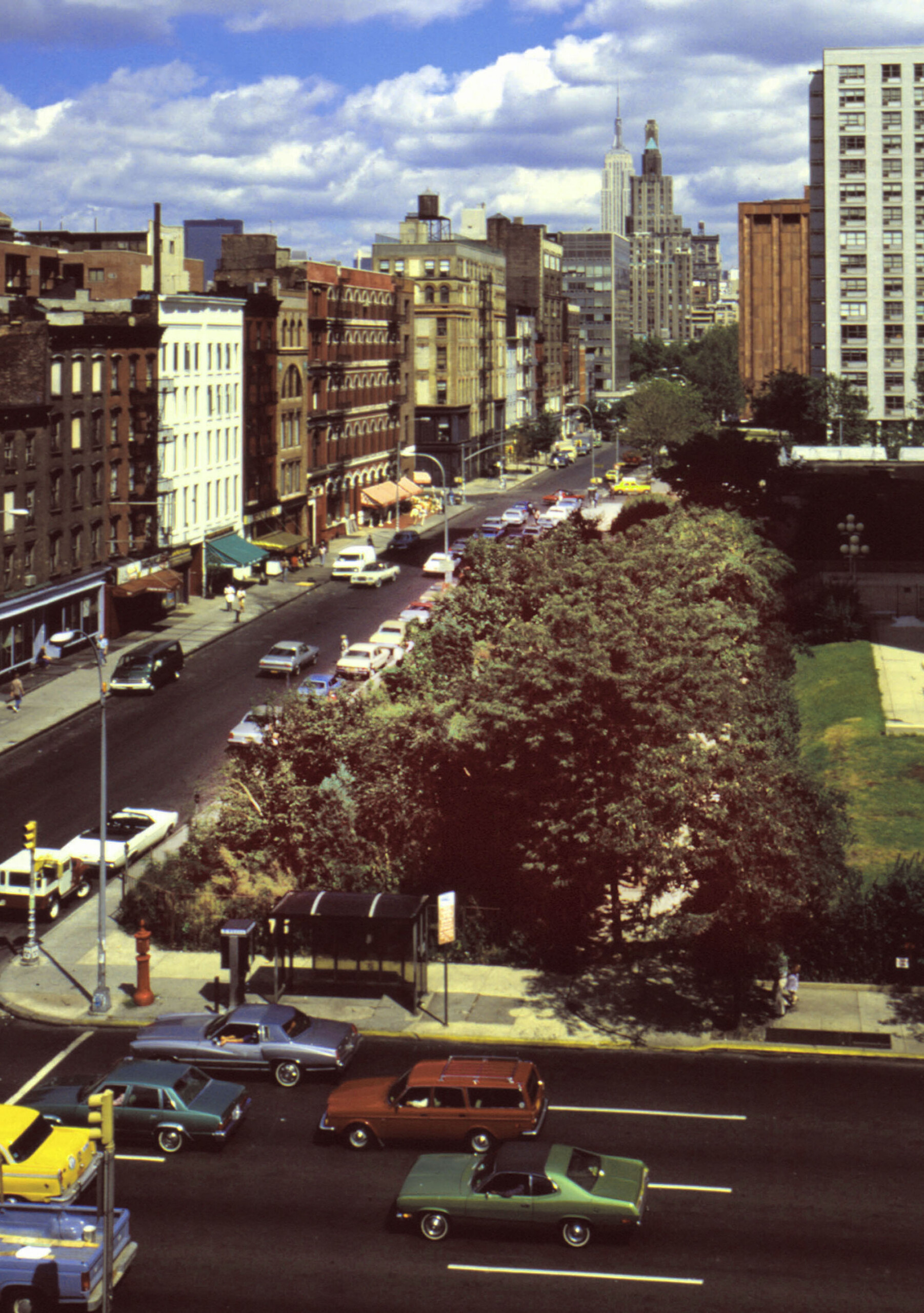
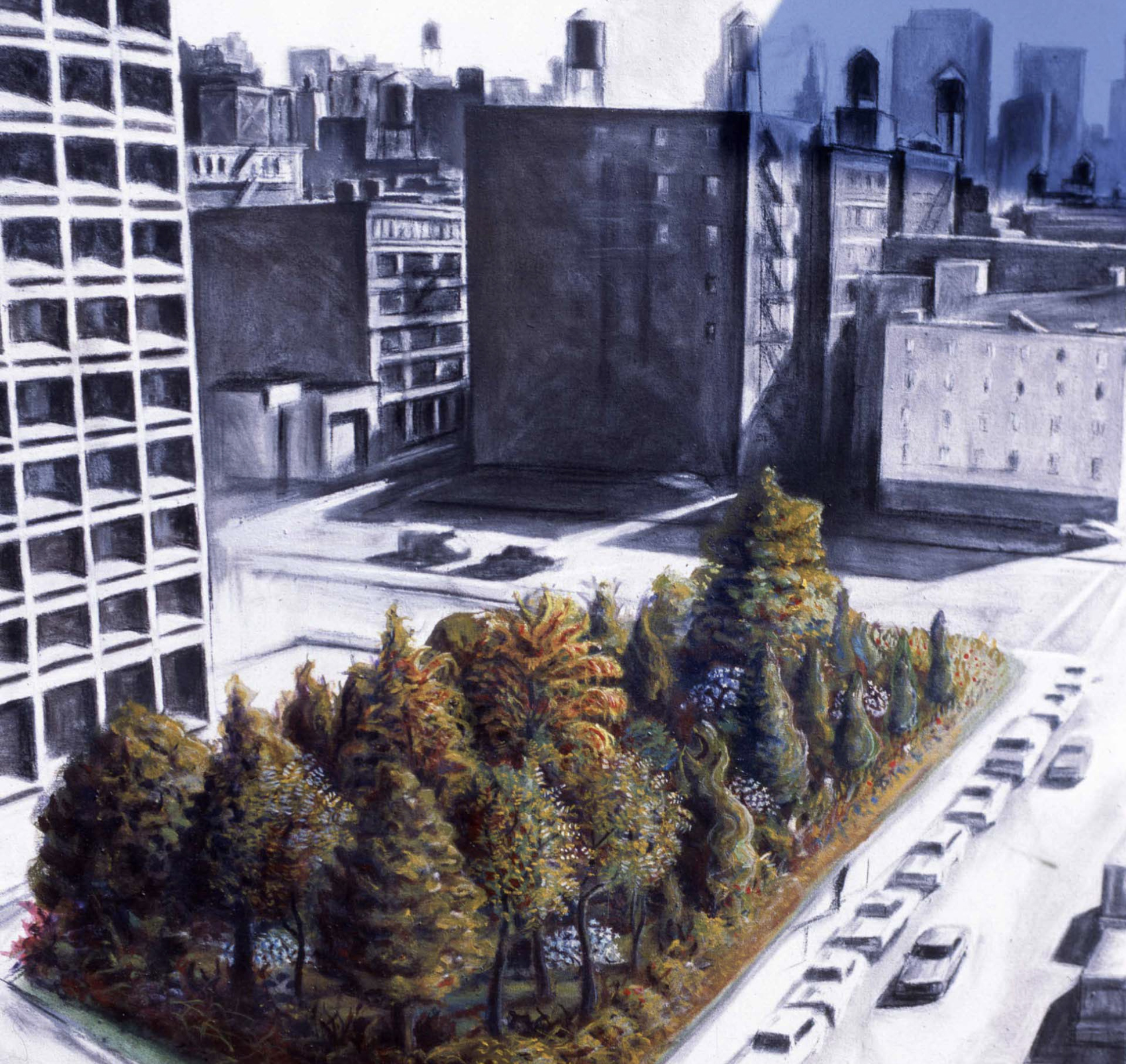
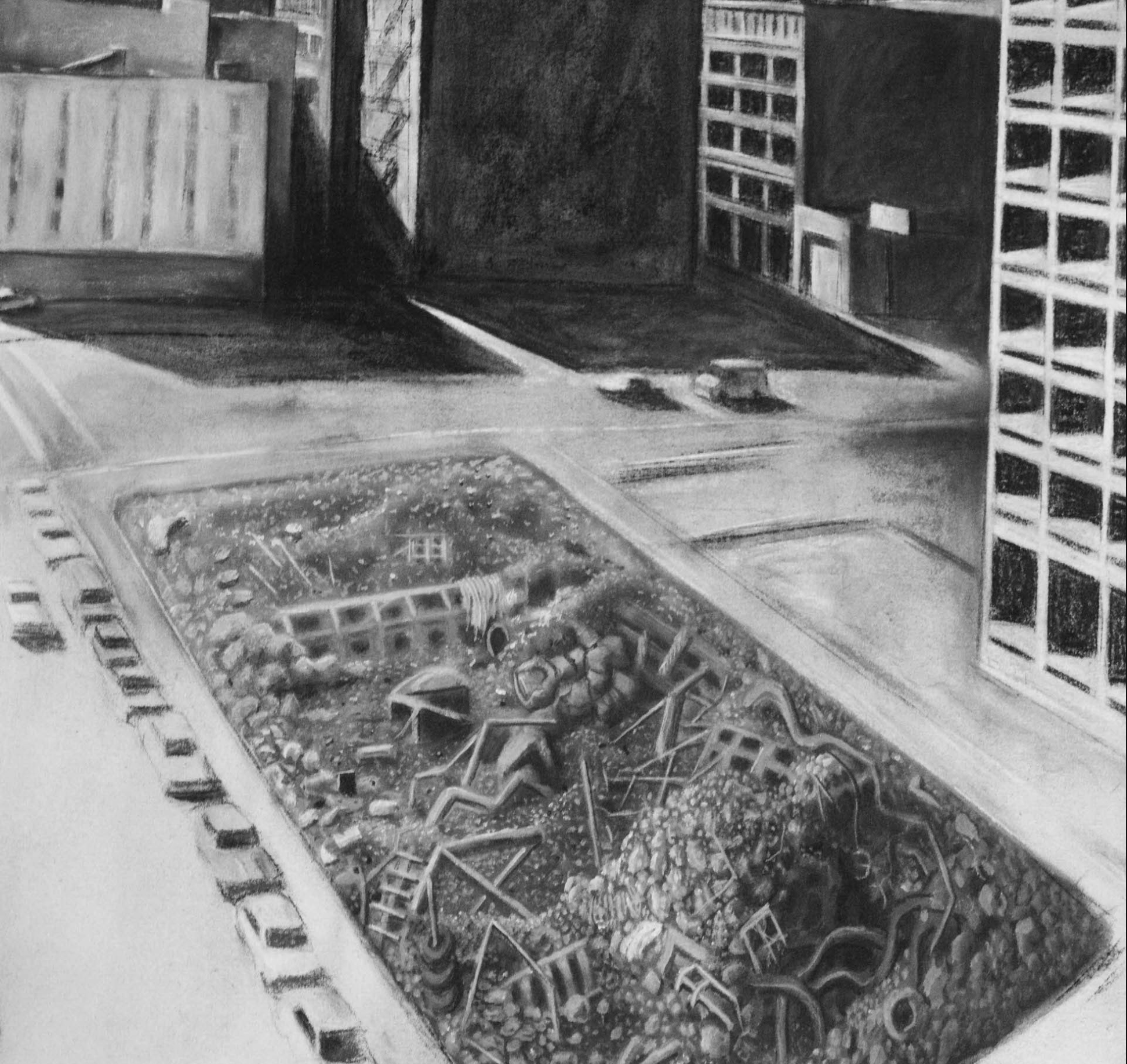
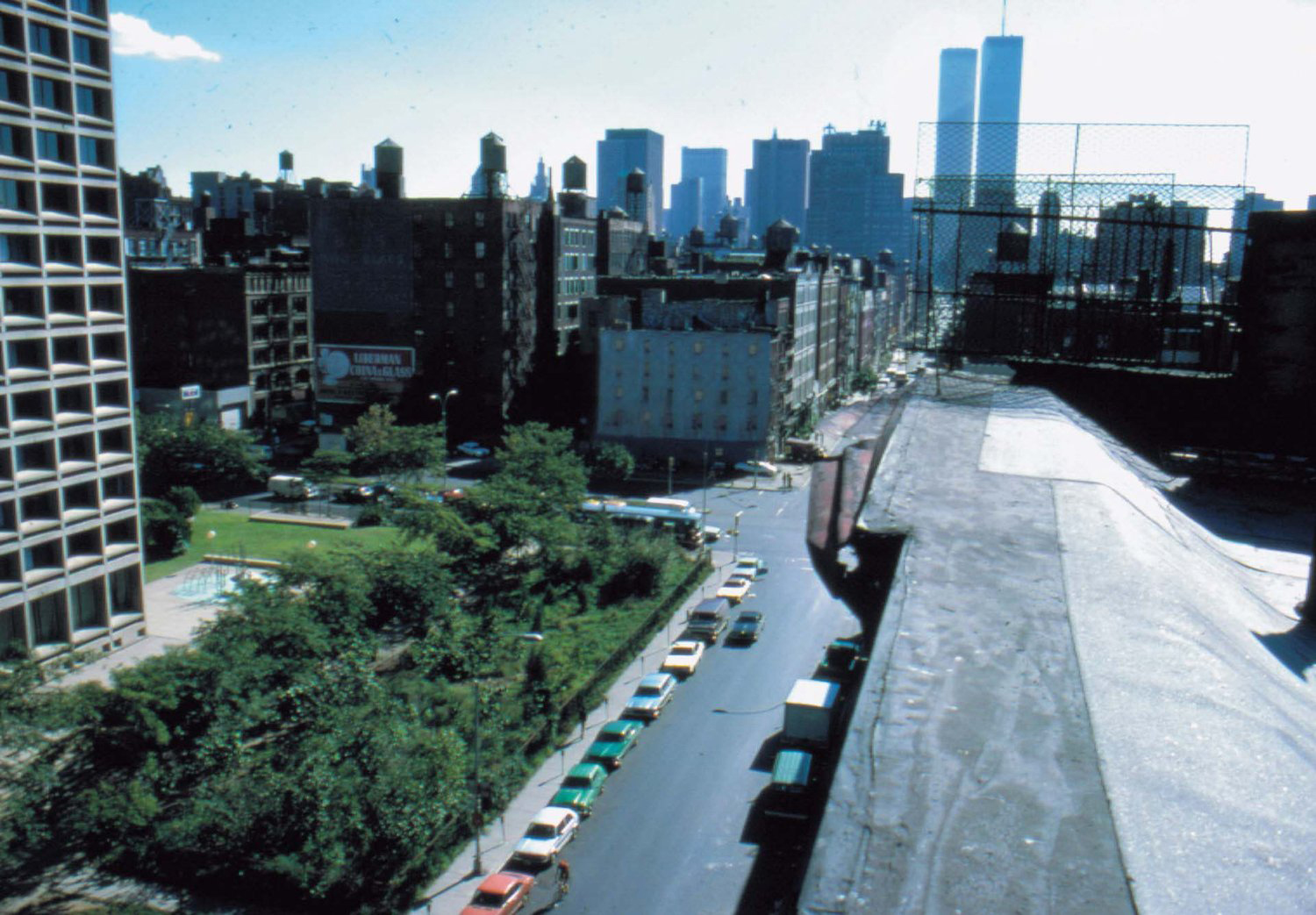
Architect Charles Libby, artist Alan Sonfist (b. 1946, New York City, NY), and botanist Larry Perdue have been assisted by the Public Arts Council of the Municipal Art Society to realize their very exciting Time Landscape project, the reconstruction of a forest.

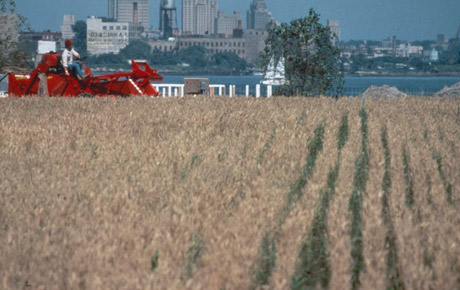
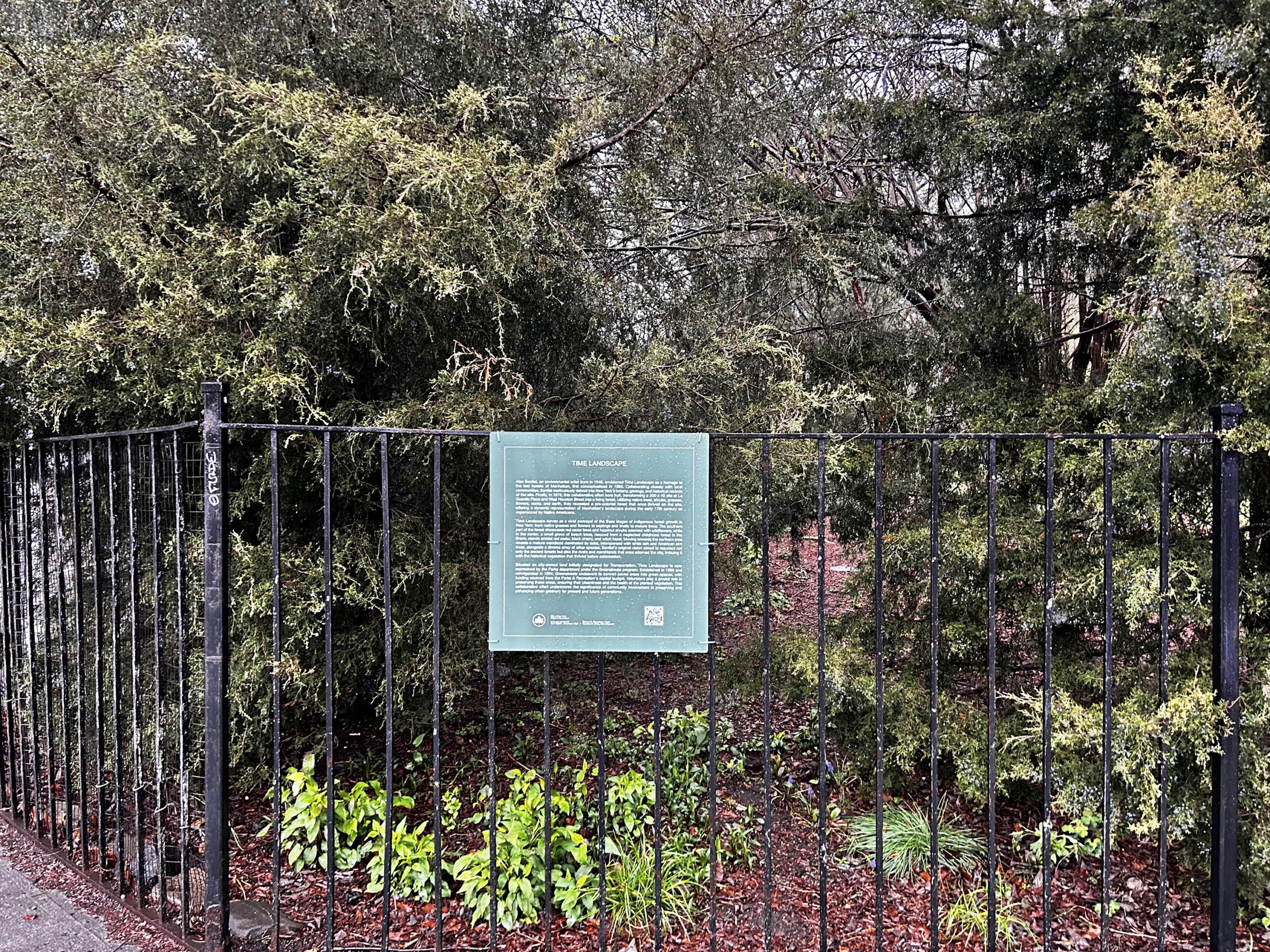
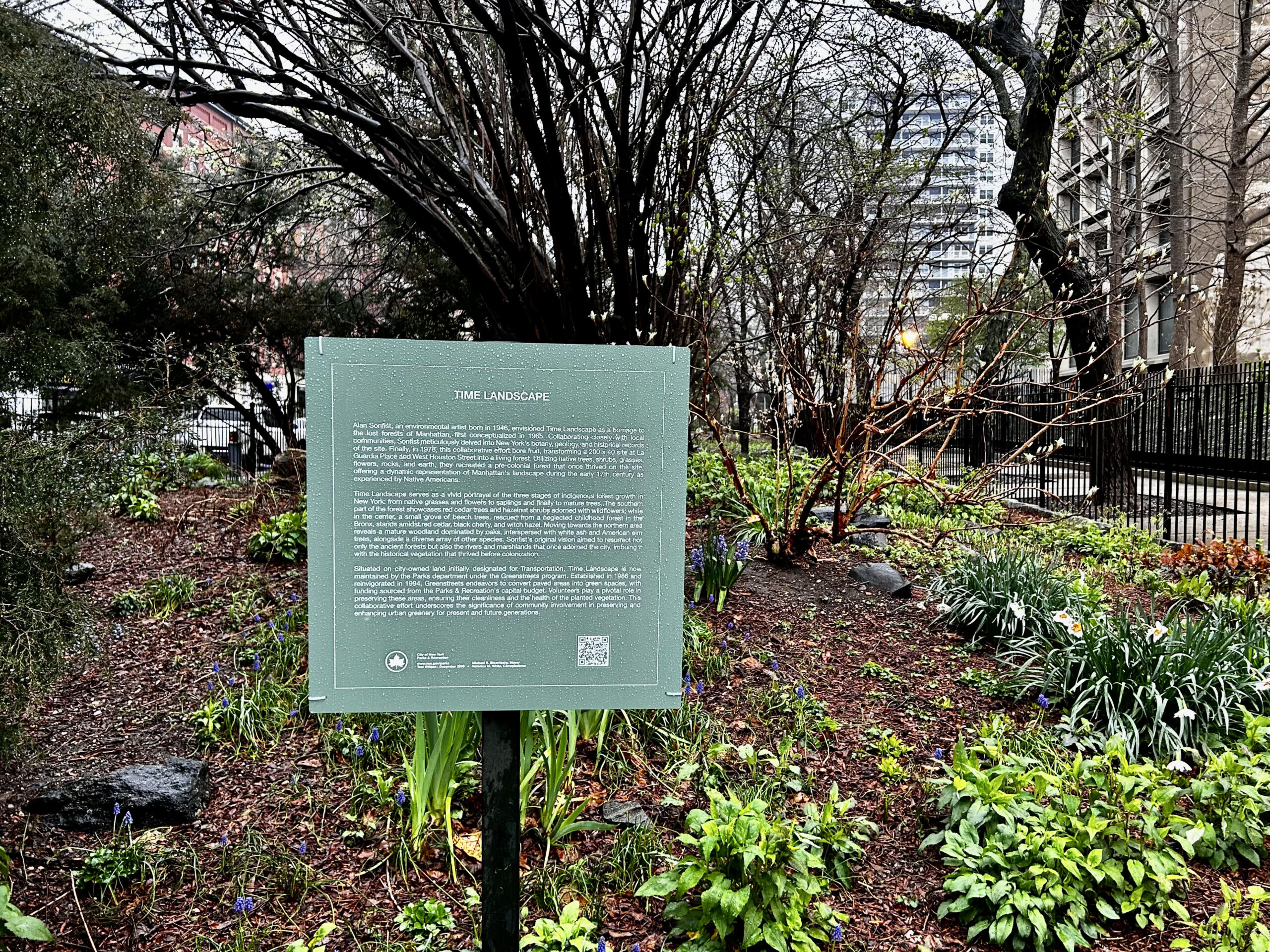
Manhattan was originally a forest. Gradually, as the city evolved, natural streams and trees were obliterated and replaced by imported trees and plants. Thus the city lost touch with its natural origins; the green areas that existed were completely unconnected to the historical ecological realities of Manhattan. The Time Landscape project is an aesthetic bridge to this heritage, from the past to the future through the present. This environmental public sculpture is called Time Landscape because it shows simultaneously the three basic stages in time of an historical forest, which will constantly recycle itself under the contemporary environmental conditions.

The project is situated in Greenwich Village. The local community board and the residents, representing a diverse socioeconomic citizenry, have fully endorsed the project. They have volunteered to maintain the site at no cost to the city. The New York State Parks Council has recognized the educational value of the project and has committed funds to the publication of booklets dealing with the ecological and artistic importance of the site.

Benjamin Patterson, Assistant Director of Cultural Affairs for the City of New York Parks, Recreation, and Cultural Affairs Administration, stated that Sonfist’s efforts “should provide a most dramatic and educational ecology statement. I can think of no more effective site in the United States than this tiny plot in Manhattan.”

Photo Gallery

SonfistA 1744.jpg
Time Landscape by Alan Sonfist (1965-Present) restores a pre-colonial forest in the heart of New York City
Time Landscape by Alan Sonfist (1965-Present) restores a pre-colonial forest in the heart of New York City Courtesy LandArtForward

Artist Statement

In a 1969 lecture at the Metropolitan Museum of Art in New York City, Sonfist spoke the following statement, “Public monuments traditionally have celebrated events in human history—acts of heroism important to the human community. Increasingly, as we come to understand our dependence on nature, the concept of community expands to include non-human elements. Civic monuments, then, should honor and celebrate the life and acts of the total community, the human ecosystem, including natural phenomena. Especially within the city, public monuments should recapture and revitalize the history of the natural environment at that location. As in war monuments, that record of life and death of soldiers, the life and death of natural phenomena such as rivers, springs, and natural outcroppings needs to be remembered.”

About the Artist

Alan Sonfist    View Profile

Alan Sonfist (b. 1946, The Bronx, NY) is a pioneer of ecological and environmental art, expanding land art beyond spectacle and into activism, preservation, and public responsibility. Rather than reshaping landscapes through massive interventions, his work emphasized restoration instead of disruption, coexistence instead of domination, and long-term ecological processed instead of permanent objects. Sonfist’s central idea is that landscapes hold historical memory, not just human history but biological and geological history. Unlike many land artists, Sonfist focused on urban areas, using native plants, trees, and soil as his materials rather than traditional sculptural media. His works redefined what public sculpture could be; according to the artist, “Civic monuments . . . should honor and celebrate the life and acts of the total community, the human ecosystem, including natural phenomena. Especially within the city, public monuments should recapture and revitalize the history of the natural environment at that location. As in war monuments, that record of life and death of soldiers, the life and death of natural phenomena such as rivers, springs, and natural outcroppings needs to be remembered.”

Sonfist has presented solo exhibitions at Parrish Art Museum, Water Mill, NY (2026);  Space21, Seoul (2023); Douglas F. Cooley Memorial Art Gallery, Reed College, Portland, OR (2016); and Museum of Fine Arts, Budapest (2014). Notable group exhibitions include Into Dust: Traces of the Fragile in Contemporary Art, Philadelphia Museum of Art, PA (2015); Beyond Earth Art: Contemporary Artists and the Environment, Herbert F. Johnson Museum of Art at Cornell University, Ithaca, NY (2014); Ends of the Earth: Land Art to 1974, MOCA, Los Angeles, and Haus der Kunst, Munich (2012); and The Third Mind: American Artists Contemplate Asia, 1860 to 1989, Solomon R. Guggenheim Museum, New York City (2009). He also participated in documenta 6, Kassel, Germany (1977). Previous public art commissions include Endangered Trees of Los Angeles, CA (2016); Ancient Olive Grove of Athena, Florence, Italy (2009); The Burning Forest of Santa Fe, NM (2002) and three Public Art Fund projects: Time Columns of the Northeast (1992); Time Landscape (1979); and 25 W. Tremont Ave. (1978). His work is in the collections of Art Gallery of Ontario, Toronto; Art Institute of Chicago, IL; LACMA, Los Angeles; The Metropolitan Museum of Art, New York City; the Museum of Modern Art, New York City; Solomon R. Guggenheim Museum, New York City; and Whitney Museum of American Art, New York City. He lives and works in New York City.

(as of 2025)
Location

LaGuardia Place
LaGuardia Place

This project has been supported by the Department of Parks and Recreation, New York University, the Public Arts Council, the National Endowment, Con Edison, Citibank.


Related Exhibitions