Monika Sosnowska View Profile
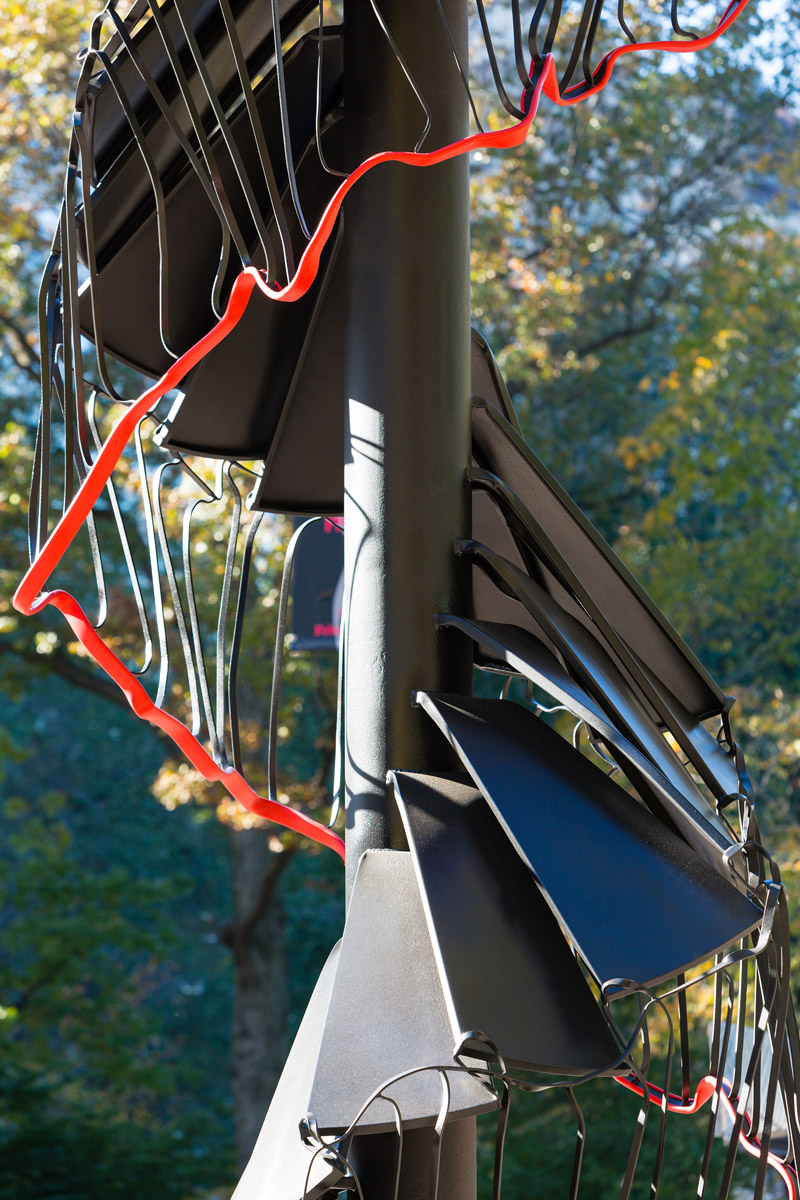
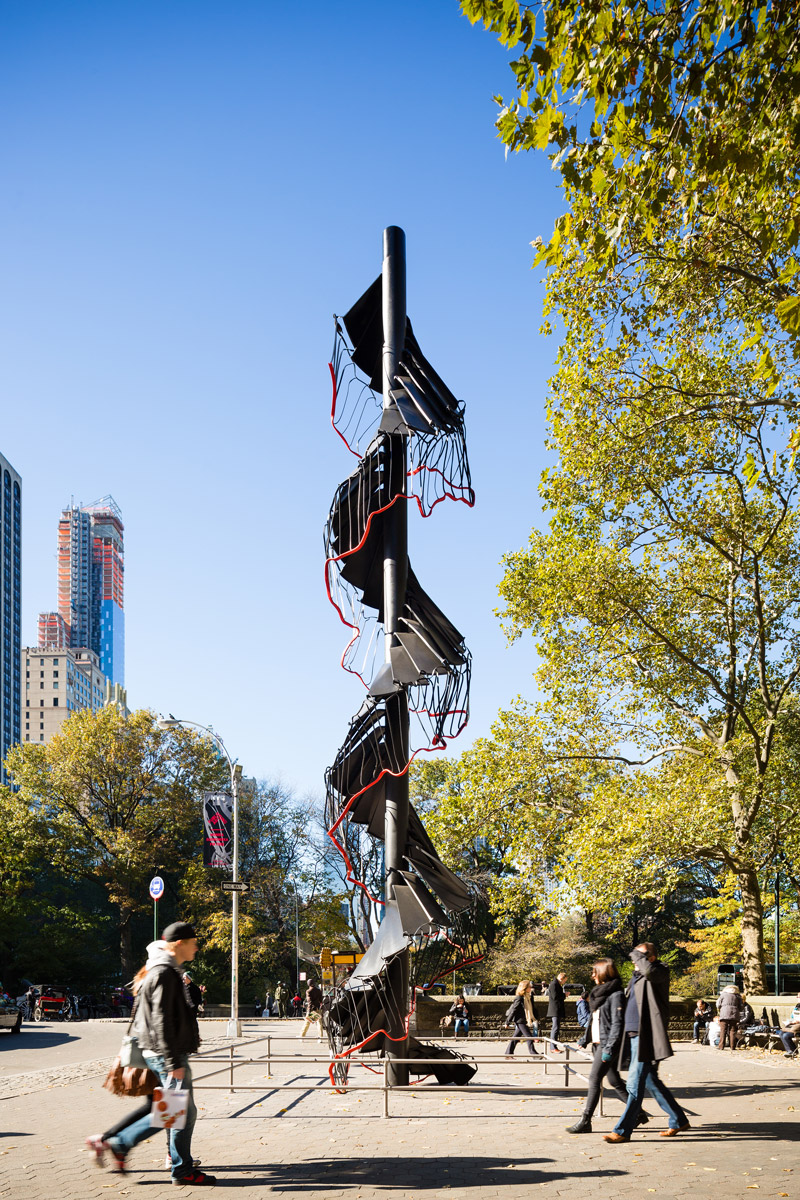
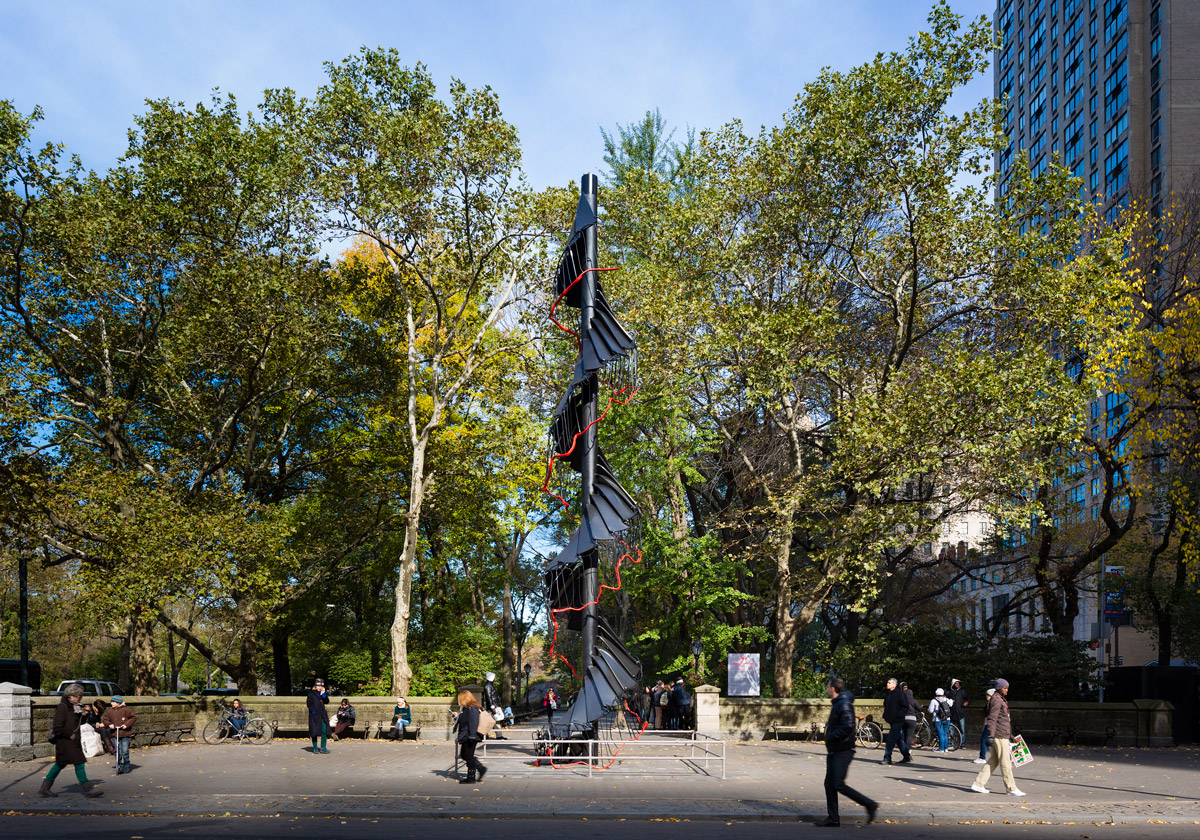
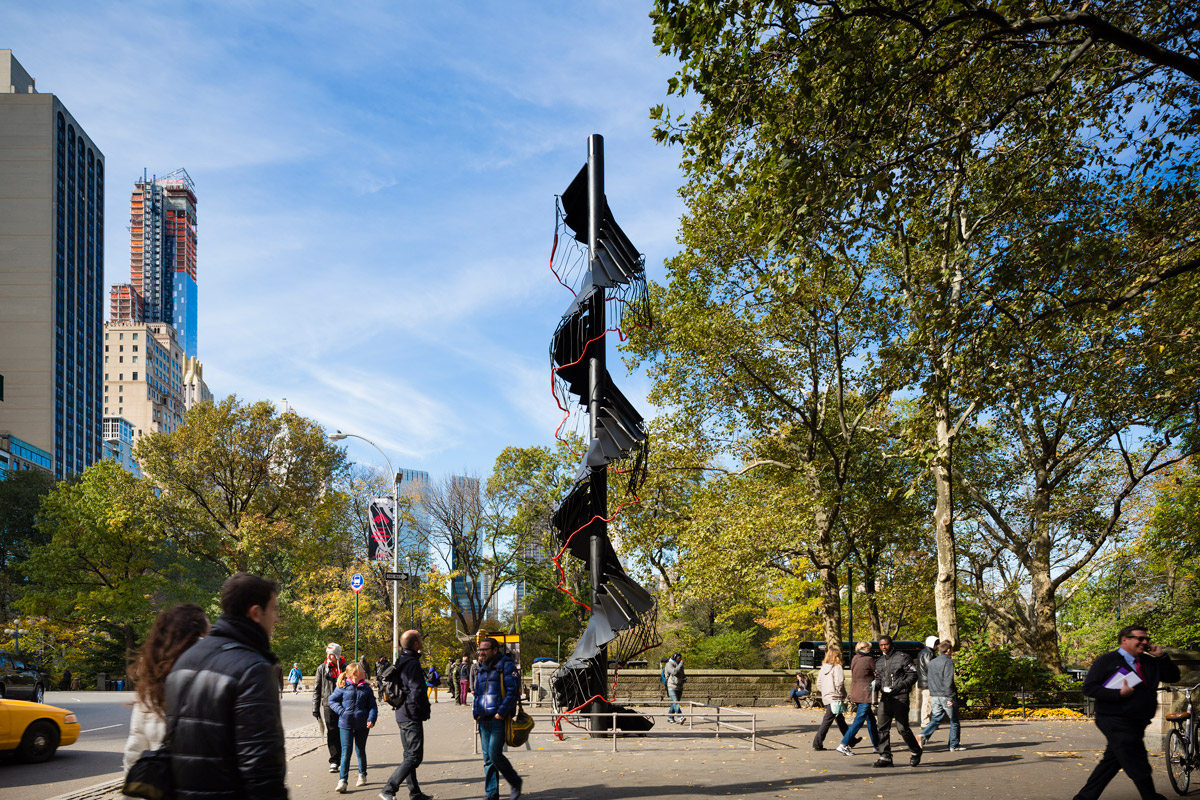
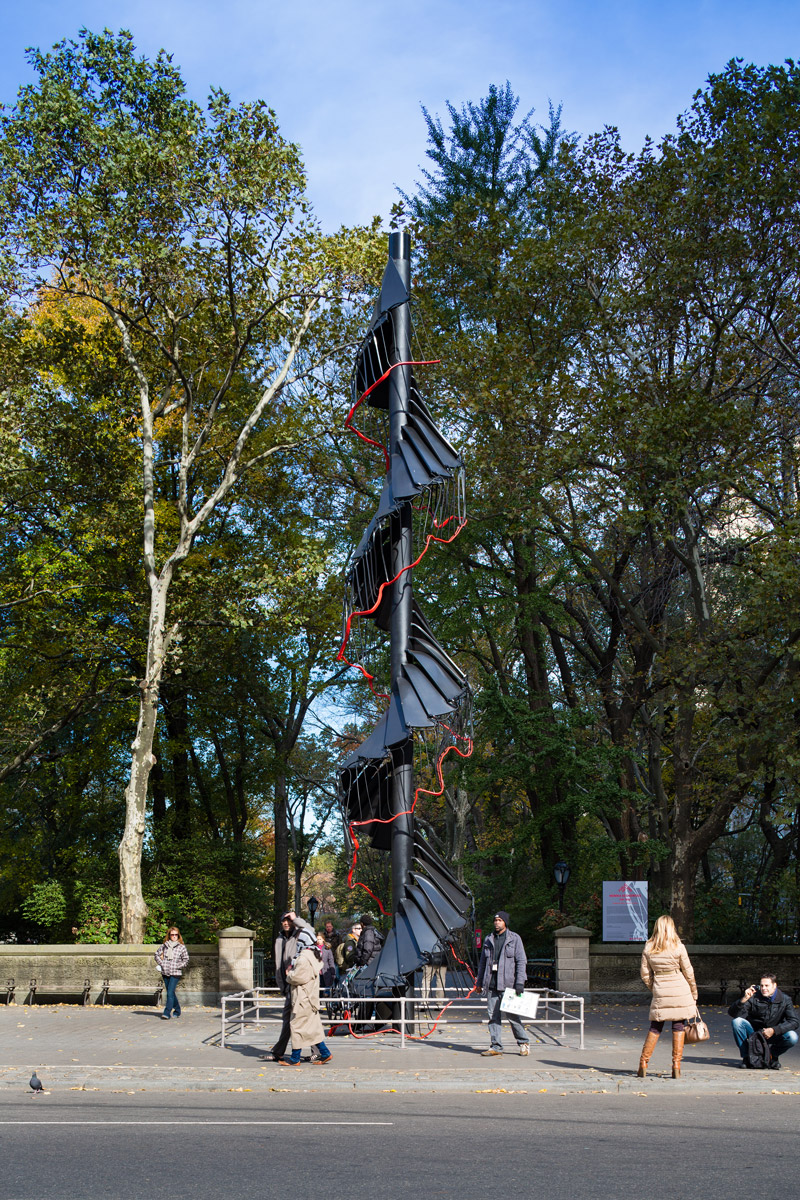
In her works, Monika Sosnowska transforms, modifies, and distorts basic architectural elements. She deforms metal constructions, guardrails, staircases, beams, and angle profiles, giving them unusual shapes. Deprives them of their original function and rescales them, creating expressive sculptures. The works resemble twisted fragments of demolished buildings or larger forms of intact constructions abandoned at rubble heaps.
These architectonic installations are meant to affect our senses, distort our sense of gravity, weight, and hardness of matter, instil anxiety with their rescaled forms, unnatural deformation and surprising placement in gallery space. Changing our perception of reality, they influence our frame of mind. The experience of Sosnowska’s sculptures occurs primarily in the sensual-mental sphere. Sosnowska often alludes to the aesthetics of place, the context in which these works are exhibited. Elements of modernist architecture constitute an essential point of reference in her art. Local Warsaw modernism and city’s changing architectural landscape form an important part of this archive of visual inspirations. Sosnowska documents building demolitions, housing schemes and DIY constructions found at marketplaces and housing estates. Sosnowska’s works quote from the buildings – often demolished or nonexistent – that she documents. Thus, her works are not just expressive illusory constructions but also forms that retain a fragmentary memory of the architecture of postwar modernism.
Monika Sosnowska (b. 1972, Ryki, Poland) lives in Warsaw, Poland. She studied at the Schola Posnaniensis (1992–93) and the Academy of Fine Arts in Poznan, Poland (1993–98), and completed a post-graduate program at the Rijksakademie van Beeldende Kunsten in Amsterdam (1999–2000). In addition to representing Poland in the 52nd Venice Biennale (2007), she has twice been invited to present her work in the Biennale’s Arsenale exhibition (2011, 2003). Select solo exhibitions include: Tamayo Museum, Mexico City (2011); Licthof/Atrium Project 1, K21 Düsseldorf, Germany (2010); Artpace, San Antonio, TX (2010); Herzliya Museum Tel Aviv, Israel (2010); Schaulager, Basel, Switzerland (2008); and Projects Series at the Museum of Modern Art, New York (2006); Perez Art Museum Miami; Australian Centre for Contemporary Art, Melbourne; Contemporary Art Gallery Vancouver; Aspen Museum of Art, Aspen (2013); Cahiers d’Art, Paris, deCordova Sculpture Park and Museum; Serralves Museum of Contemporary Art, Porto; Ginza Maison Hermès, Tokyo (2015); The Contemporary Austin; Indianapolis Museum of Art (2016); Museum Susch (2017); Zachęta National Gallery of Art, Warsaw; Garage Contemporary Art Center, Moscow (2020); Kunstraum, Dornbirn; MUDAM, Luxembourg (2022); Zentrum Paul Klee, Bern (2023); EMMA, Espoo (2024); Rosendal and Royal Djurgård Stockholm; Saarlandmuseum, Saarbrücken (2025).