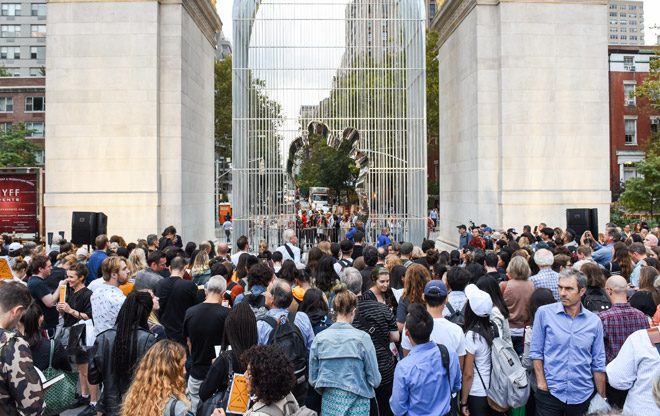
Wednesday, October 11, 2017
5:30-6:30pm
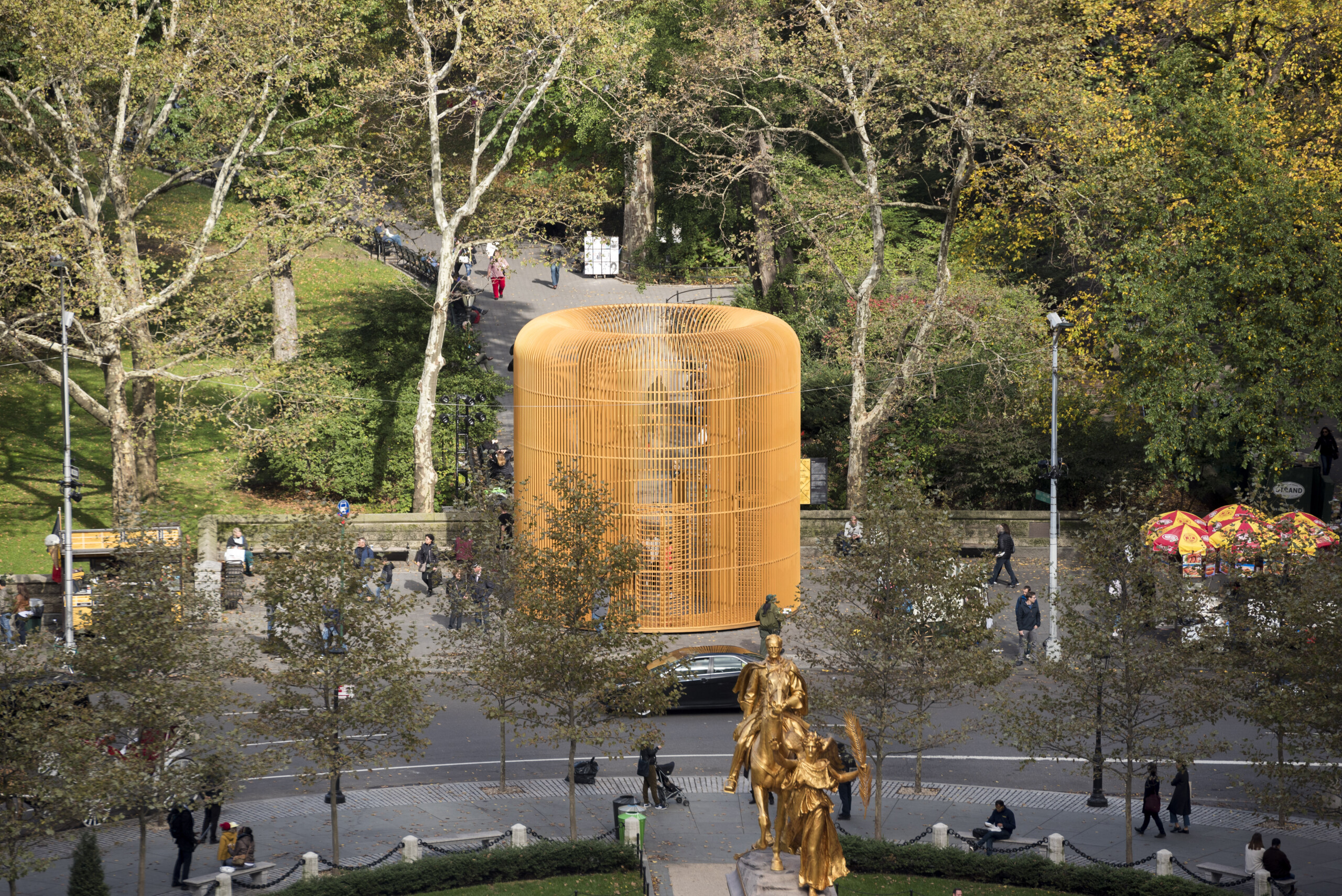
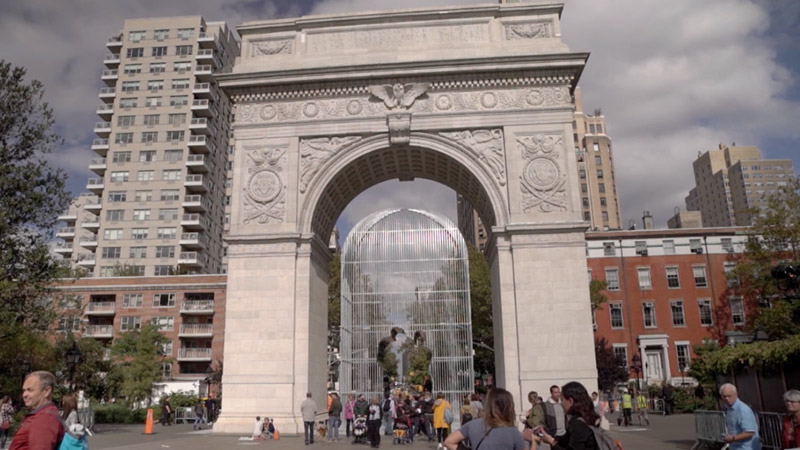
“What’s important to remember is that while barriers have been used to divide us, as humans we are all the same. Some are more privileged than others,...
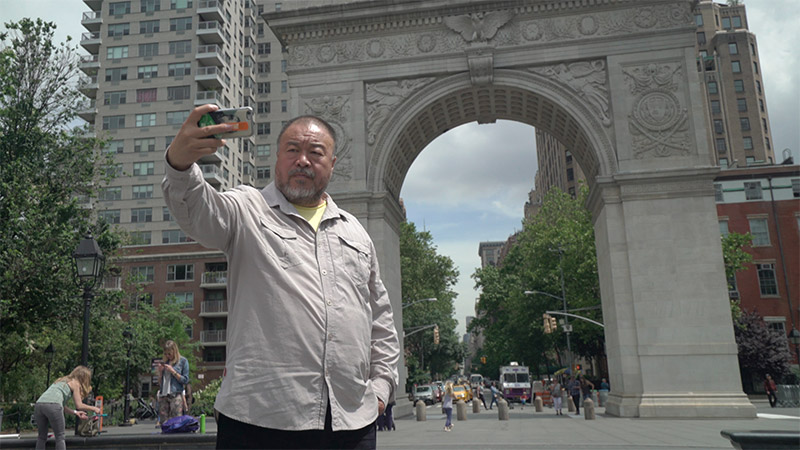
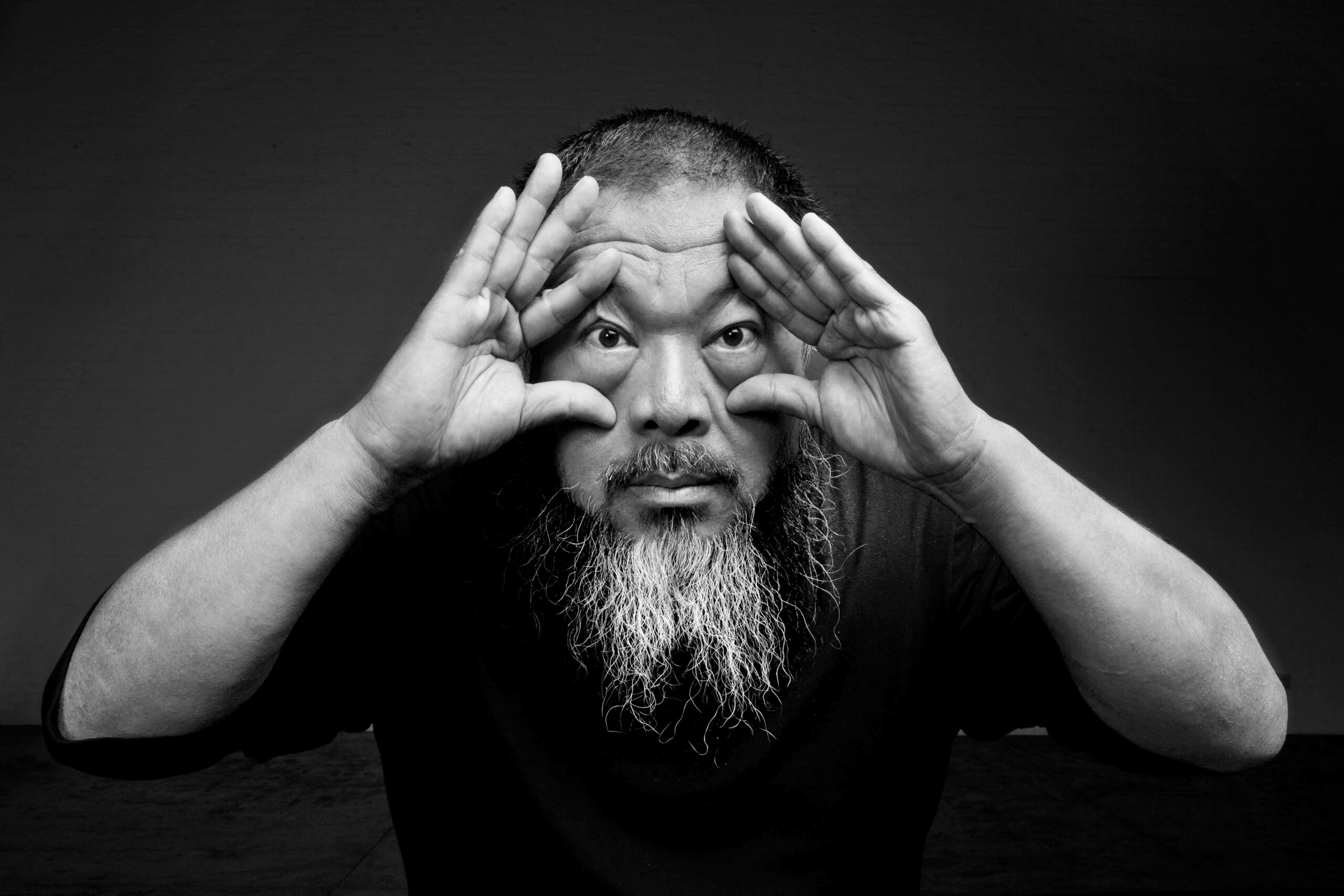
Ai Weiwei (b. 1957, Beijing) attended the Beijing Film Academy and later, moved to New York City (1983–93) to continue his studies at the Parsons School of Design. One of the most influential contemporary artists, Ai has redefined what contemporary art can do politically, socially, and ethically. He places real political risk at the center of his practice—resulting in censorship, surveillance, imprisonment, and exile. He is important not only for his artworks, but for how he uses art as a tool for investigation, exposure, and civil resistance. Merging conceptual practice, activism, architecture, social media, and documentary strategies, his work challenges not only political systems, but also museums, viewers, and artists themselves—asking what it means to speak, to see, and to act under conditions of power.
Major solo exhibitions include the National Gallery in Prague, Czech Republic (2017); Palazzo Strozzi, Florence, Italy (2016); 21er Haus Museum of Contemporary Art, Vienna (2016); Helsinki Art Museum, Finland (2016); Royal Academy of Art, London (2015); Martin-Gropius-Bau, Berlin (2014); Hirshhorn Museum and Sculpture Garden, Washington, DC (2012); Taipei Fine Arts Museum, Taiwan (2011); Tate Modern, London (2010); and Haus der Kunst, Munich (2009). Architectural collaborations include the 2012 Serpentine Pavilion and the 2008 Beijing National Stadium, with Herzog and de Meuron. Among numerous awards and honors, he was granted the lifetime achievement award from the Chinese Contemporary Art Awards in 2008 and the Václav Havel Prize for Creative Dissent from the Human Rights Foundation, New York City, in 2012; he was made Honorary Academician at the Royal Academy of Arts, London, in 2011. He was given the Ambassador of Conscience Award by Amnesty International, London in 2015. He lives and works in Berlin and Beijing.
(as of 2017)
We use cookies to improve your web experience, no personal information is stored. Privacy Policy